



Why Missed Calls Pile Up While Your Team Is Hands-On
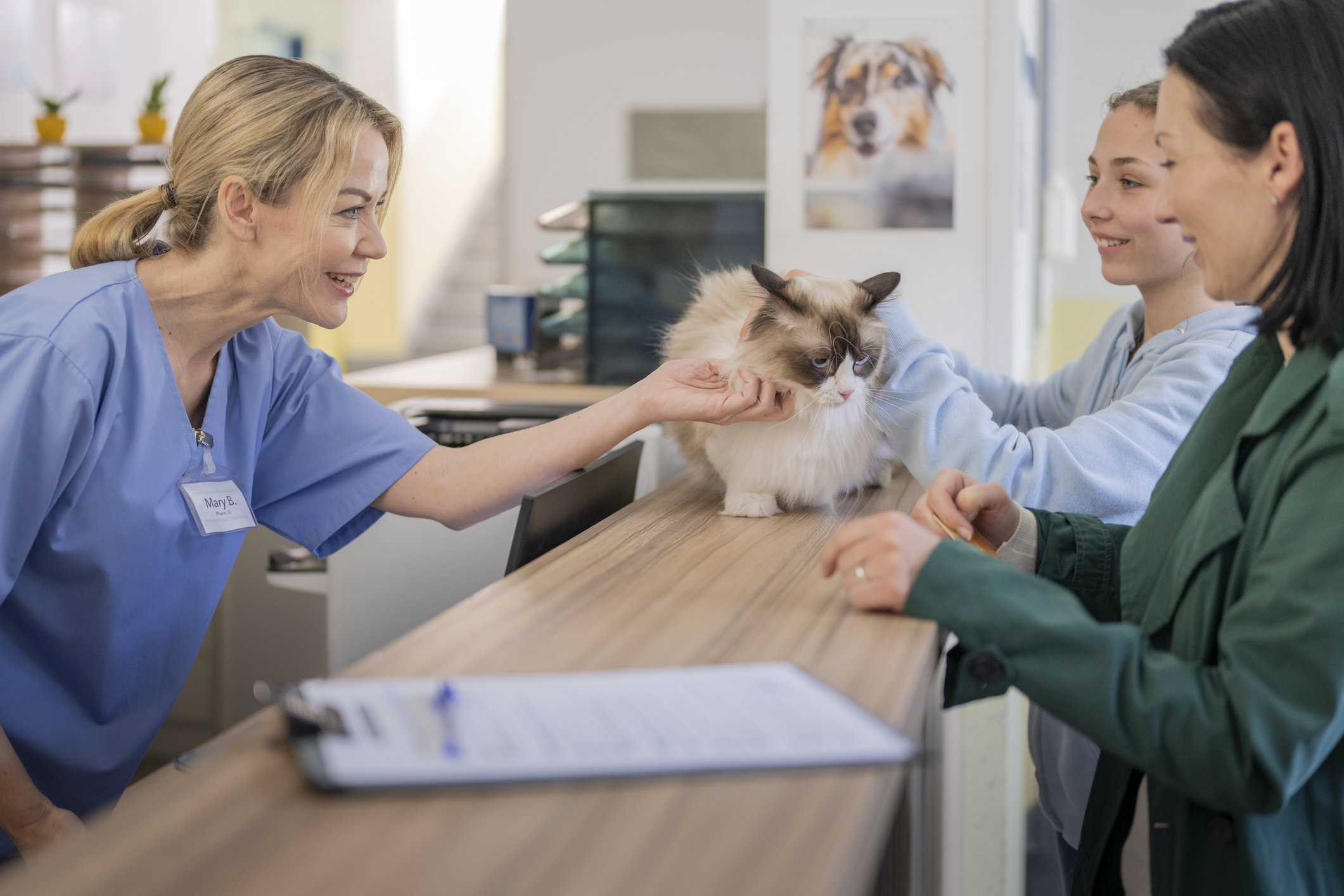
A dog is under anesthesia, a cat is mid-exam and the front desk line is ringing for the fourth time. Most clinic managers know that moment well. What happens next depends on the setup in place: whether the caller reaches a person, a clear set of options or a voicemail box that nobody checks until the afternoon.
A veterinary clinic phone system can cut down on missed calls without adding front-desk headcount, and this post is for clinic managers who want to do just that. Unite Communications has provided telecommunications to Canadian businesses since 2001 and the approach below focuses on covering the gaps when a team’s hands are full.
What a Veterinary Clinic Phone System Needs to Do
Start with the job description, because it is longer than “ring the front desk.” The phones have to answer promptly and sort urgent calls from routine ones, even when several calls arrive at once. They also have to send each caller to the right person without making them repeat themselves.
Pet owners often call while they’re worried, so a long ring followed by silence leaves a poor first impression. Canada has 7.2 million dogs and 8.2 million cats, with dogs seeing a vet twice a year on average and cats once. Appointment changes and refill questions can make up much of the remaining traffic and neither needs a doctor on the line. Both do need an answer.
Reliability matters as much as features. When the phones go down on a surgery day, the whole schedule feels it. A system built for a clinic should keep working through the busiest hours and let a manager change call routing quickly. Ask about call queues and voicemail to email, since both help when staff are tied up. Unite Communications designs communication solutions around the way each business actually works, which suits a clinic where the busiest hour changes from day to day.
How a Virtual Attendant Covers the Front Desk
Every incoming call gets picked up by a virtual attendant, which gives callers a short menu so each one lands in the right place even when nobody is free. For a clinic, the menu can send emergencies to an on-call line, appointment requests to the booking team and prescription questions to a voicemail box that someone checks at set times.
Procedures are where the value shows up. A technician steadying a patient shouldn’t have to choose between the animal and the ringing phone. With a virtual attendant in place, the caller gets a clear answer straight away and the team returns to the queue when the procedure ends. That matters most when a procedure runs longer than planned. The greeting stays consistent whether the clinic is busy or short-staffed.
Callers with an emergency should hear clear instructions first, such as the on-call number or the nearest emergency hospital, before any other option. Unite Communications offers Virtual Attendant services alongside Hosted PBX, within AI-integrated telecommunications packages for Canadian businesses. Ask how quickly greetings can be updated for holiday closures and unexpected staff shortages.
Keeping Calls Answered During Surgery and Exams
Missed calls during surgery often come down to one problem: the same few people are covering the phones and the patients. There is a projected amount from the Canadian Veterinary Medical Association of about 5,000 veterinarian job openings against 4,300 job seekers between 2022 and 2031. The fix is a layered setup in which no single person has to catch every call.
Three layers work together here. First comes the virtual attendant, which greets the caller and offers options. Routing is second: a call that needs a human rings the lead technician, then the office manager if nobody answers. Last is a clear after-hours path, so a caller with an emergency hears an on-call number or an emergency hospital’s details before anything else.
Voicemail still has a place, as long as someone owns it. Where the system supports it, messages that arrive as emails or alerts are easier to act on than a mailbox someone has to dial into. A short scheduled review, say mid-morning and mid-afternoon, keeps non-urgent callers from waiting until the next day.
None of this adds a person to the schedule. It changes how existing staff meet the phones, which is how a clinic can improve call coverage without adding front-desk headcount.
One Business Phone Number for Several Locations
Multi-location practices often want one business phone number on the website and the signage, so clients never have to guess which line to dial. Many hosted phone systems can route a single business phone number to different sites based on a menu choice or the time of day. The details vary by provider and plan, so it’s worth asking exactly how a call travels from the main number to a specific clinic.
Unite Communications offers single number reach, which lets one number ring across several devices, including a mobile. That helps a doctor on call who needs to take an urgent call away from the clinic. Whether one number can also ring to several clinic locations depends on how the system is configured, so raise it early in any provider conversation.
Marketing stays consistent with a shared number, since every listing and sign shows the same line and adding a location later is less disruptive. Callers don’t care which building picks up. They want someone who can help and a well-built menu gets them there quickly.
Choosing a Provider Without Adding Headcount
Hiring another receptionist is one way to cover the phones, but it’s a long-term commitment and it doesn’t help when two people are out on the same day. Clinical hiring is tight too. The 2019 graduating class equalled 2.9 percent of Canada’s veterinarians, while the expected annual retirement rate is 3 percent. A veterinary clinic phone system set up well can cover busy stretches with the team you already have. Cost efficiency comes from paying for the features the clinic uses and leaving the rest.
Compare options on flexibility and scalability first. A clinic that adds a weekend shift or opens a second location shouldn’t have to rebuild its phone setup. Unite Communications plans come with no locked-in contracts, so a clinic can adjust as it grows without being tied to a plan that no longer fits. Unite is also 100% Canadian owned, staffed, based and operated, which counts for clinics that prefer a local provider.
Questions to put to any provider are practical ones. How does its veterinary phone system handle after-hours routing and how quickly can a manager change it? Who picks up when something fails on a busy day? The answers say more about day-to-day reliability than a feature list does.
Conclusion: Giving Your Team Room to Focus on Patients
Calls will keep coming during surgery and each one is a client who needs an answer. The goal is to give every caller that answer while your team stays focused on the patient in front of them. A veterinary clinic phone system that pairs a virtual attendant with sensible routing can get there without another hire at the front desk.
If you’d like to see how this could fit your clinic’s call flow, talk with the Unite Communications expert team about a phone solution built around it.
FAQ
What does a veterinary clinic phone system need to do?
It needs to answer promptly and sort urgent calls from routine ones. It should also send each caller to the right person and keep working through busy hours.
How can a busy vet clinic avoid missing calls during surgery and appointments?
Use layers so no single person has to catch every call. A virtual attendant greets callers and offers a menu. Routing then sends calls that need a person to the right staff and an after-hours path covers emergencies.
Can one business phone number ring to multiple clinic locations?
Many hosted phone systems can route a single business phone number to different sites, based on a menu choice or the time of day. The details vary by provider and plan, so confirm how calls reach each location before you commit.
What does a virtual attendant do for a veterinary clinic?
A virtual attendant answers incoming calls automatically and gives callers a short menu. Emergencies can go to an on-call line, while appointment requests go to the booking team. Callers with an emergency should hear clear instructions first.
Can a phone system help a clinic avoid hiring another receptionist?
It can help the existing team cover busy stretches by changing how staff meet the phones. A virtual attendant and clear routing handle first contact, so people can stay with patients. Whether a hire is still needed depends on the clinic’s call volume.
What should a clinic ask a phone provider before signing up?
Ask how after-hours routing works and how quickly a manager can change it. Ask who answers when something fails on a busy day. Also check whether the plan locks you into a contract, since flexibility matters as a clinic grows.